What Affects How Quiet a Roof Is
A few factors determine how quiet a metal roof is, and understanding them helps a Greentown homeowner ensure a quiet result. Here is what matters.
Solid Decking Versus Open Framing
The single biggest factor is whether the metal is installed over solid decking or open framing. Over solid decking, as on a home, the roof is quiet, while over open framing, as on a bare barn, it is loud. This difference accounts for most of the noise gap between residential metal roofs and the loud barn roofs of the myth. Decking is the key. It is the main determinant.
Underlayment
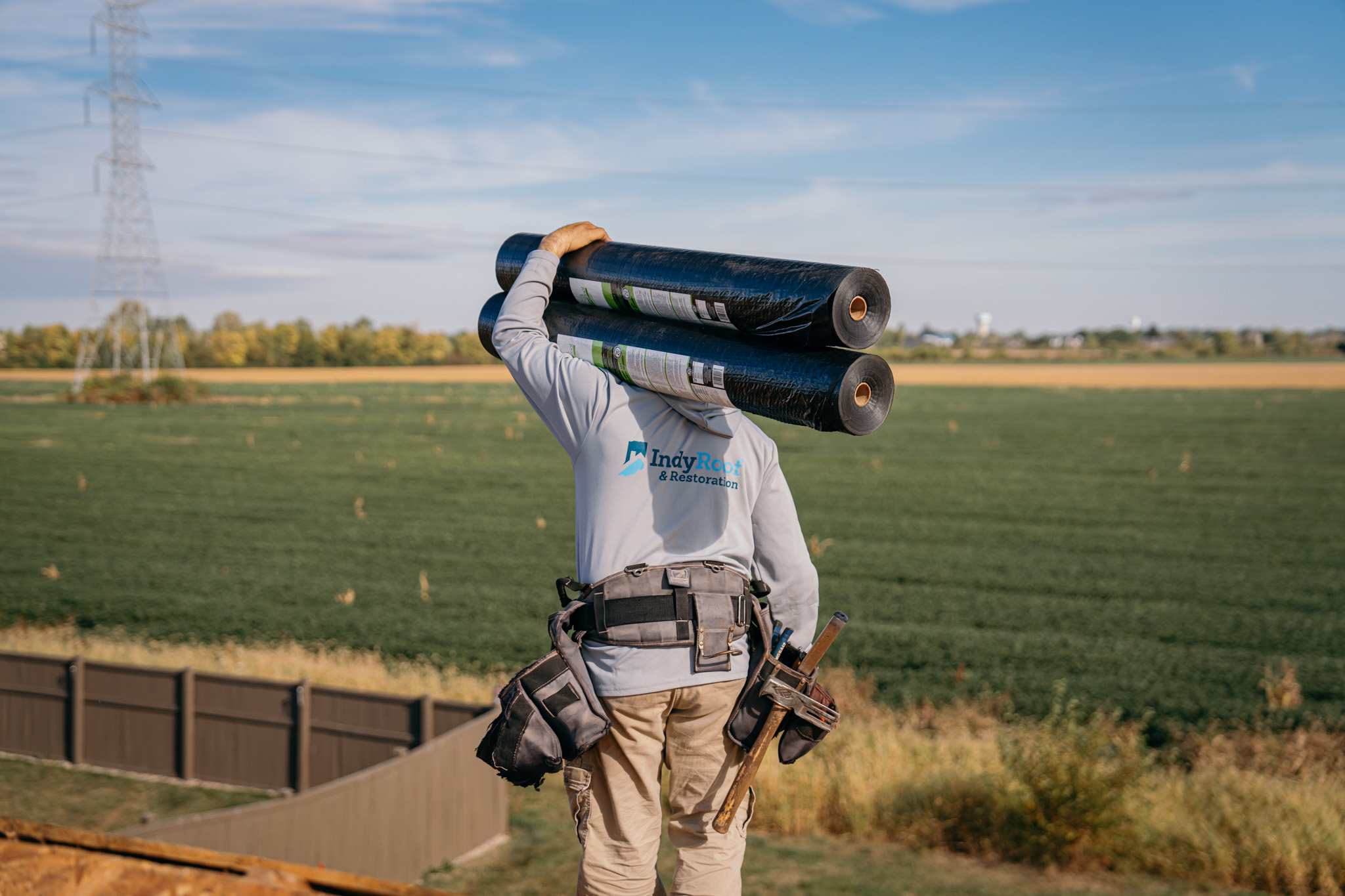
The underlayment between the decking and panels contributes to sound dampening, and certain underlayments offer additional acoustic benefit. While standard underlayment already helps, a homeowner particularly concerned with quiet can discuss options. The underlayment is one of the layers reducing noise on a proper installation. It adds to the overall quiet of the assembly.
Attic and Insulation
The home's attic space and insulation are major contributors to a quiet roof, absorbing and muffling sound before it reaches the living space, just as they do for any roof. A well insulated attic makes any roof, metal included, quieter inside. This is a big part of why finished homes do not have loud roofs regardless of material. Insulation matters a great deal.
Installation Quality
Proper installation ensures the assembly performs as intended, with the decking, underlayment, and panels all correctly in place to dampen sound. A quality installation delivers the quiet result, while a poor one could underperform. This is one more reason to have metal roofing installed by an experienced professional, it ensures the roof is quiet as well as sound. Good work matters here too.
Additional Measures
For those wanting maximum quiet, additional measures, such as specific underlayments or added insulation, can further reduce noise beyond an already quiet standard installation. These are optional and rarely necessary, but available for the noise sensitive. The main point is that a correct standard installation is already comparable to other roofing, with extra steps offering even more quiet if desired. Options exist for those who want them.
What Affects Quiet, in Short
Solid decking versus open framing is the biggest factor, with underlayment, attic insulation, and installation quality also contributing. A proper residential installation with these elements is quiet, while additional measures can make it even quieter if desired.
One point worth making clear for Greentown homeowners is just how much the noise myth costs people, because it is probably the single most common reason a homeowner dismisses metal roofing out of hand, and it is based on a genuine misunderstanding. The mental image is vivid and unpleasant, rain hammering on a metal roof like a drum, turning every storm into a racket inside the house, and it is enough to make many people stop considering metal before they ever learn about its real advantages. But the image comes from a specific and misleading source, the sound of rain on bare metal panels installed directly over open framing with nothing beneath them, the way metal is often put on barns, sheds, pole buildings, and carports. In those structures there is no solid decking, no underlayment, and no insulated attic to absorb and dampen the sound, so the rain genuinely does resonate loudly. The trouble is that this is nothing like how metal is installed on a finished home. On a house, the metal goes over solid decking, typically plywood sheathing, with underlayment between the decking and the panels, and beneath all of that sits the attic space and insulation. Each of these layers dampens sound, and together they bring the noise down to roughly the level of any other roof, a soft patter in the rain rather than a drum. So the homeowner who rules out metal over noise is comparing a bare barn roof to their insulated home, which is simply the wrong comparison, and in doing so they pass up a roof with genuine, substantial benefits over a worry that does not actually apply to their situation.
One point worth making clear for Greentown homeowners is just how much the noise myth costs people, because it is probably the single most common reason a homeowner dismisses metal roofing out of hand, and it is based on a genuine misunderstanding. The mental image is vivid and unpleasant, rain hammering on a metal roof like a drum, turning every storm into a racket inside the house, and it is enough to make many people stop considering metal before they ever learn about its real advantages. But the image comes from a specific and misleading source, the sound of rain on bare metal panels installed directly over open framing with nothing beneath them, the way metal is often put on barns, sheds, pole buildings, and carports. In those structures there is no solid decking, no underlayment, and no insulated attic to absorb and dampen the sound, so the rain genuinely does resonate loudly. The trouble is that this is nothing like how metal is installed on a finished home. On a house, the metal goes over solid decking, typically plywood sheathing, with underlayment between the decking and the panels, and beneath all of that sits the attic space and insulation. Each of these layers dampens sound, and together they bring the noise down to roughly the level of any other roof, a soft patter in the rain rather than a drum. So the homeowner who rules out metal over noise is comparing a bare barn roof to their insulated home, which is simply the wrong comparison, and in doing so they pass up a roof with genuine, substantial benefits over a worry that does not actually apply to their situation.
One point worth making clear for Greentown homeowners is just how much the noise myth costs people, because it is probably the single most common reason a homeowner dismisses metal roofing out of hand, and it is based on a genuine misunderstanding. The mental image is vivid and unpleasant, rain hammering on a metal roof like a drum, turning every storm into a racket inside the house, and it is enough to make many people stop considering metal before they ever learn about its real advantages. But the image comes from a specific and misleading source, the sound of rain on bare metal panels installed directly over open framing with nothing beneath them, the way metal is often put on barns, sheds, pole buildings, and carports. In those structures there is no solid decking, no underlayment, and no insulated attic to absorb and dampen the sound, so the rain genuinely does resonate loudly. The trouble is that this is nothing like how metal is installed on a finished home. On a house, the metal goes over solid decking, typically plywood sheathing, with underlayment between the decking and the panels, and beneath all of that sits the attic space and insulation. Each of these layers dampens sound, and together they bring the noise down to roughly the level of any other roof, a soft patter in the rain rather than a drum. So the homeowner who rules out metal over noise is comparing a bare barn roof to their insulated home, which is simply the wrong comparison, and in doing so they pass up a roof with genuine, substantial benefits over a worry that does not actually apply to their situation.
Ensure a Quiet Installation
Greentown Metal Roofing installs metal roofing with solid decking, quality underlayment, and proper technique across Greentown and Howard County, the elements that ensure a quiet roof. Call (765) 676-3491 for a free consultation on a metal roof built correctly to stay quiet in your home.